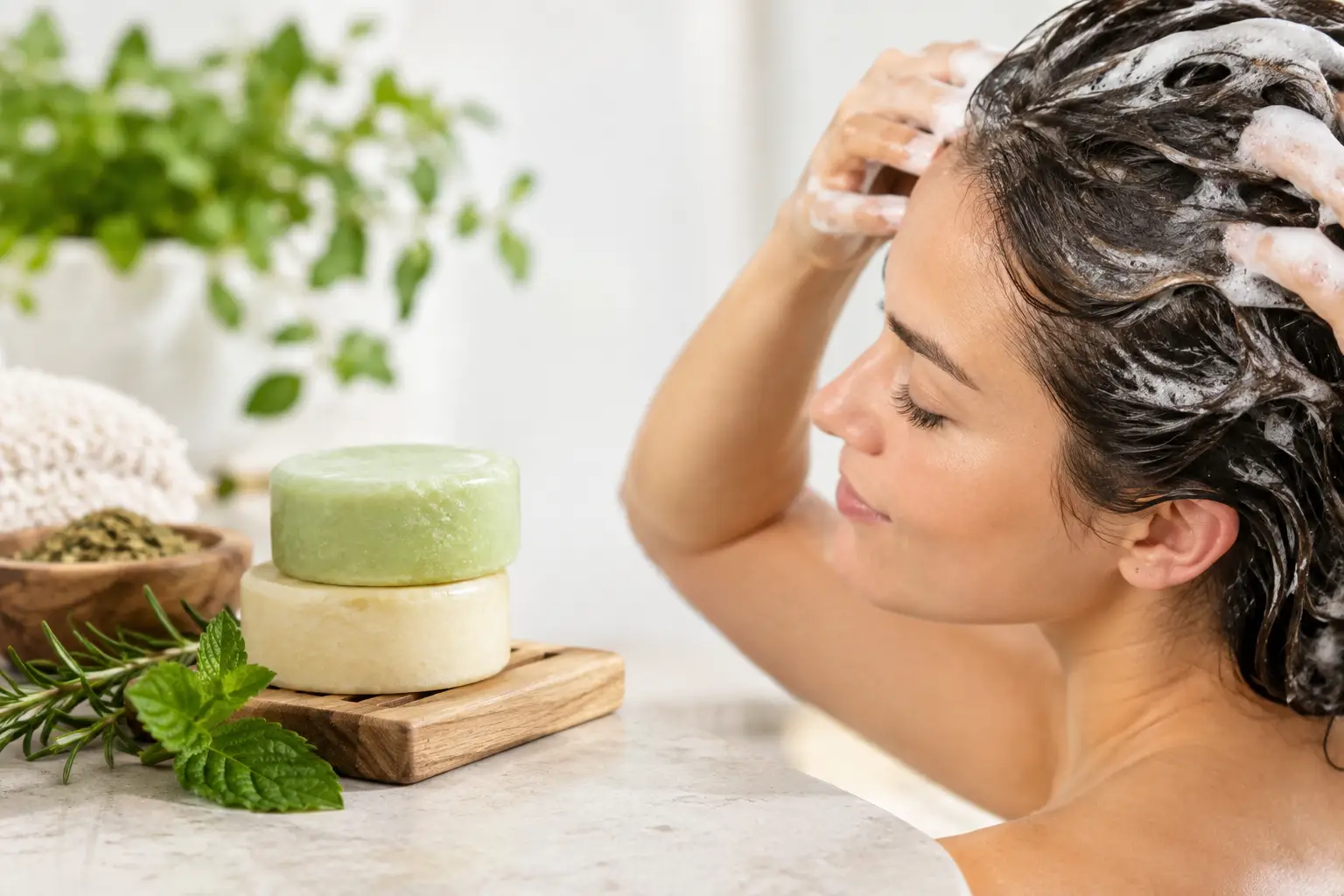
If your roots look oily by lunchtime but your ends still feel dry, washing harder is rarely the answer. The better question is: can shampoo bars reduce oily hair without leaving your scalp tight, itchy, or stripped? They can help, but the result depends on the bar’s ingredients, how thoroughly you rinse, and what may be driving the extra oil in the first place.
A well-made shampoo bar gives you a simple way to cleanse the scalp without loading your routine with unnecessary ingredients. For many people, that gentler approach can make hair feel fresher between washes. Still, no shampoo bar can change your natural scalp type overnight, and a bar that is too rich or leaves residue behind may make oily hair feel heavier instead.
Why oily hair can get caught in a wash-more cycle
Your scalp produces sebum, a natural oil that helps protect both skin and hair. A little sebum is healthy. The trouble starts when it builds up quickly at the roots, causing hair to separate, look flat, or feel greasy soon after washing.
Sometimes this is simply genetics. Hormone changes, humid weather, workout schedules, fine hair, and frequent touching can all make oil more noticeable. Product buildup can play a role too. Heavy styling products, dry shampoo, conditioner applied too close to the scalp, and shampoo that does not rinse cleanly can leave roots looking oily even when the scalp is not producing dramatically more oil.
Over-cleansing can add another layer to the problem. Strong detergents may remove too much of the scalp’s protective oil. That squeaky-clean feeling can seem satisfying at first, but it may leave sensitive skin feeling dry or uncomfortable. Some people then find that their scalp becomes harder to manage, not easier.
The goal is not to remove every trace of oil. It is to cleanse away sweat, buildup, and excess sebum while leaving the scalp comfortable and the hair soft enough to manage.
Can shampoo bars reduce oily hair without drying it out?
A shampoo bar can be a helpful choice for oily hair when it cleans effectively yet gently. Bars are concentrated, so a small amount can go a long way. They also make it easier to keep a straightforward routine: cleanse the scalp, rinse well, and condition only where hair needs it.
The formulation matters more than the bar format itself. Not every shampoo bar is the same. Some are made with cleansing ingredients designed for hair and scalp, while others may be more moisturizing or leave a richer feel behind. If your roots get oily easily, look for a bar that lathers and rinses cleanly rather than one made to coat very dry, coarse hair with lots of added butters or oils.
Gentle, thoughtfully chosen ingredients can be especially welcome for people with a sensitive or easily irritated scalp. At The Goats Field, our goat milk shampoo bars are crafted by hand with a focus on clean, family-friendly care and a comfortable cleanse. Goat milk is valued in personal care for its naturally creamy, skin-loving feel, which can help a wash routine feel less harsh than products that leave the scalp feeling stripped.
That said, moisturizing does not automatically mean oily. Hair needs softness, especially through the mid-lengths and ends. The key is using the right amount of product in the right place.
What a good shampoo bar should feel like
After washing, your scalp should feel clean and calm, not tight or itchy. Your roots should have lift, but your hair should not feel rough like straw. A bar that leaves a waxy, coated, or heavy feeling may not be the best fit for your hair, or it may need more rinsing.
Water quality can matter as well. In areas with hard water, minerals can combine with hair products and create a dull or filmy feeling. If a new bar seems to leave buildup despite careful rinsing, hard water may be part of the picture. A periodic clarifying wash can help remove stubborn residue, but it should not replace a gentle everyday routine.
How to use a shampoo bar for oily roots
Technique makes a real difference. Because shampoo bars are concentrated, rubbing the bar all over the length of the hair can use more product than necessary and make rinsing harder. Focus your cleansing where the oil begins: at the scalp.
Start by thoroughly soaking your hair with warm, not hot, water. Wet hair allows the shampoo to spread more evenly. Rub the bar between wet hands to create a lather, or glide it lightly across the scalp in a few sections. Then use your fingertips, not your nails, to massage the lather over the scalp for about a minute.
Let the suds run through the lengths as you rinse. Most people do not need to scrub the ends, which are usually older, drier, and more fragile than the roots. Rinse longer than you think you need to. Leftover shampoo is one of the most common reasons hair feels coated or gets oily quickly after washing.
If your scalp has a lot of buildup from sweat, dry shampoo, or styling products, washing twice can be useful. The first wash loosens oil and residue. The second wash cleans the scalp more thoroughly. You do not need to double-wash every day, though. Use it when your hair truly needs it.
Follow with conditioner only from the mid-lengths to the ends. Keep rich conditioners, oils, and leave-in products away from the roots unless your scalp is genuinely dry. Even a beautiful natural product can feel too heavy when applied where it is not needed.
Give your scalp time to adjust
When changing from a liquid shampoo to a shampoo bar, your hair may need a little time to settle into the new routine. That does not mean a difficult “detox” is required. It simply means your scalp, water, existing buildup, and washing habits may affect the first few washes.
Try one bar consistently for two to three weeks before deciding whether it suits you, unless it causes itching, burning, or a rash. During that time, avoid changing every product at once. If you add a new conditioner, styling cream, oil, and shampoo bar in the same week, it becomes difficult to know what is helping or weighing hair down.
Keep your expectations realistic. If you have always needed to wash daily because of fine hair, an active job, or naturally oily skin, a shampoo bar may make your hair feel cleaner and more balanced, but it may not turn you into a once-a-week washer. That is perfectly okay. Clean hair routines should fit real life, not force your scalp into a schedule that feels uncomfortable.
Small habits that make oily hair easier to manage
Your shampoo is only one part of the routine. Wash brushes and combs regularly, since they can transfer old oil and product back onto freshly washed hair. Change pillowcases often, especially if you use face creams or hair products at night. Try not to repeatedly run your hands through your hair during the day, as fingers naturally carry oil.
It also helps to rinse conditioner completely, use lukewarm water, and go easy on dry shampoo. Dry shampoo can be handy between washes, but using it day after day without cleansing can create the very buildup you are trying to avoid.
If your scalp suddenly becomes much oilier, itchy, flaky, sore, or accompanied by hair shedding, consider speaking with a dermatologist. Conditions such as seborrheic dermatitis can look like ordinary oily hair but may need more targeted care.
A shampoo bar is not a magic fix, but the right one can be a kind, practical reset for an oily-hair routine. Choose a gentle bar that rinses clean, cleanse the scalp instead of overworking the ends, and pay attention to how your hair feels after a few consistent washes. Comfortable, balanced roots are a better measure of success than chasing a perfectly oil-free scalp.