
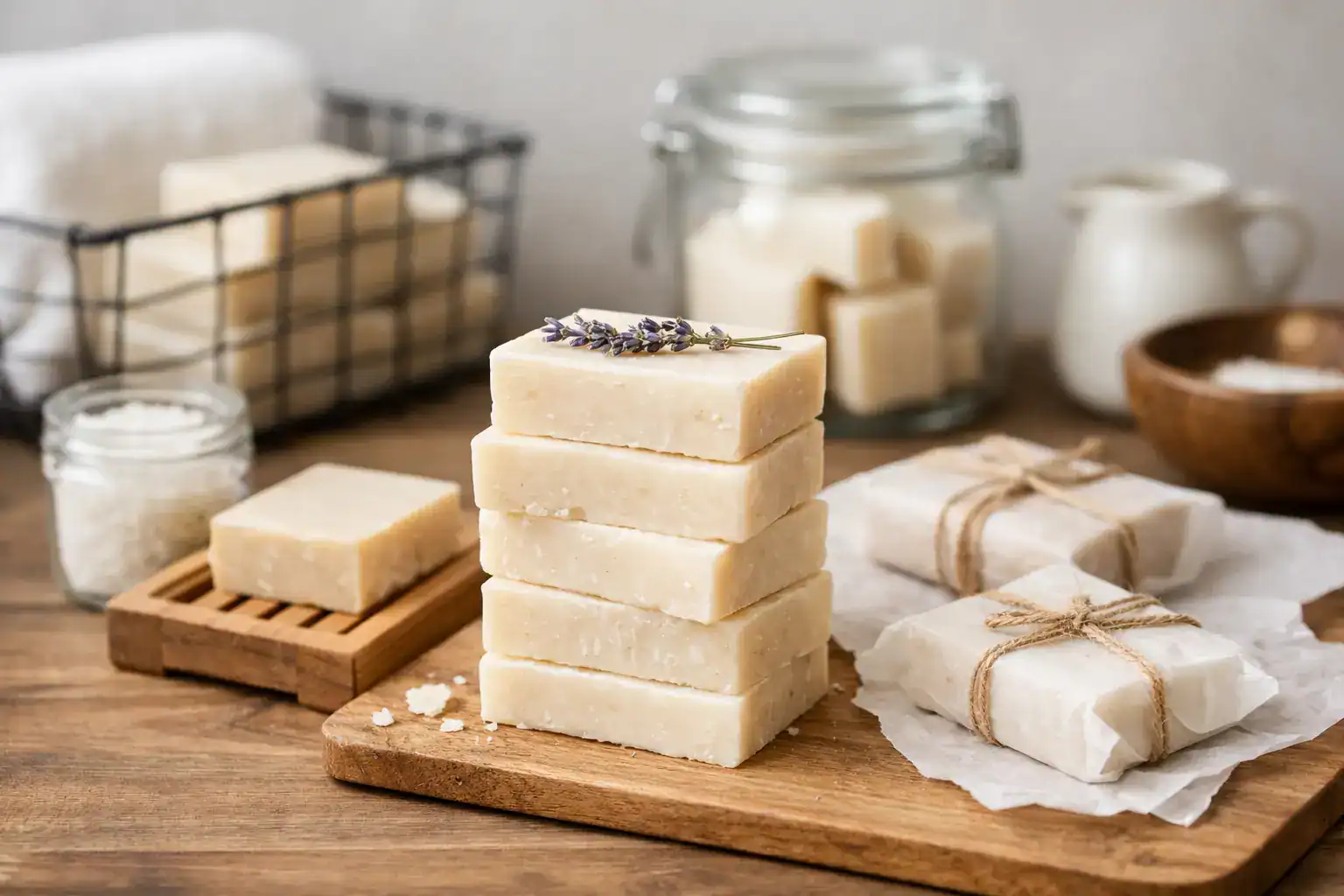
A beautiful bar of goat milk soap can turn soft and wear down too fast for one simple reason – it is being stored where it stays damp. If you are wondering how to store goat milk soap so it lasts longer, keeps its scent, and stays pleasant to use, the good news is that a few small habits make a big difference.
Handcrafted goat milk soap is different from many mass-produced bars. It is often richer, creamier, and made with gentle ingredients that are especially loved by people with dry or sensitive skin. That nourishing quality is part of what makes it special, but it also means proper storage matters. A well-made bar should feel firm, lather beautifully, and dry out between uses instead of sitting in a puddle.
Why proper storage matters
Goat milk soap is made to cleanse gently without the harsh stripped feeling many people are trying to avoid. Because it is often handcrafted in small batches and made with natural oils, butters, and real goat milk, it responds more like a quality food-based product than a hard commercial detergent bar.
That does not mean it is fragile. It simply means moisture is the main thing to manage. When a soap bar stays wet for hours at a time, it softens. A softened bar gets used up more quickly, may become sticky on the surface, and can lose its clean shape. If the bathroom is humid and the bar never gets a chance to dry, even a great soap will not perform at its best.
Proper storage also helps preserve fragrance. Essential oil scents tend to stay truer when bars are kept in a cool, dry place. Heat, steam, and direct sunlight can fade scent over time. If you buy several bars at once, storing them well protects that fresh, handcrafted quality until you are ready to use each one.
How to store goat milk soap in the bathroom
The best place to focus is the spot where the soap lives between uses. Most bars do not wear out in your hands. They wear out while sitting wet on the sink edge, in a closed shower dish, or under a steady drip of water.
A draining soap dish is the easiest fix. Choose one that lets air circulate around the bar and allows water to run off instead of collecting underneath. Slatted wood, ridged ceramic, or a well-draining soap saver all work well as long as the bar is lifted above standing water.
Placement matters too. Try to keep the soap away from the direct spray of the shower. If the bar sits where water hits it every time someone rinses off, it will stay soft no matter how nice the dish is. A corner shelf, a niche, or the far edge of the tub often works better than the ledge right under the showerhead.
If your bathroom tends to stay humid, open air helps. That might mean leaving the shower door cracked after bathing or choosing a soap holder outside the shower for facial or hand bars. The goal is simple – let the bar dry fully between uses.
The best soap dishes and storage options
Not every soap tray is equally helpful. Some are attractive on the counter but hold water underneath, which can make even a firm bar turn mushy. When choosing a soap holder, think less about looks first and more about drainage and airflow.
Soap savers are especially useful for natural bars. A textured soap saver creates a little separation between the soap and the surface below it, helping the bottom dry instead of sealing in moisture. Many families find this makes a noticeable difference in how long a bar lasts.
If you use soap at more than one sink, consistency helps. A good draining dish in every spot is better than having one bar stored properly and another dissolving on a flat countertop. It is a small change, but one that pays off every day.
How to store extra goat milk soap before use
If you like to stock up, learning how to store goat milk soap before opening it matters just as much as daily bathroom storage. Unused bars should be kept in a cool, dry place away from direct sunlight, strong humidity, and heat sources.
A linen closet, bedroom drawer, or cabinet outside the bathroom is usually a better option than under the sink or next to the tub. Bathrooms are convenient, but they are often too damp for long-term soap storage. That constant humidity can slowly soften bars or weaken scent before you even unwrap them.
Breathable storage is better than airtight plastic for long periods. Soap benefits from a little airflow. A cardboard box, paper wrap, or open basket in a dry closet is often ideal. If bars are tightly sealed in plastic while any residual moisture is present, they can sweat, especially in warmer weather.
If you are storing several bars together, keep them out of direct contact with strong-smelling items. Natural soap can pick up surrounding scents over time. It is best to store it away from heavily fragranced products, cleaning supplies, or anything with a sharp chemical smell.
What to avoid when storing goat milk soap
A few common storage mistakes can shorten the life of a bar quickly. The first is leaving it in standing water. Even a high-quality goat milk soap will soften fast if the bottom never dries.
The second is keeping unused bars in a hot car, sunny window, or steamy bathroom. Heat and moisture are not ideal partners for handcrafted soap. A warm room now and then is usually fine, but repeated exposure can affect scent, texture, and overall freshness.
The third is sealing a wet bar inside a travel bag or container without ventilation. This traps moisture around the soap and can turn a firm bar soft by the next use. If you need to pack soap on the go, let it dry as much as possible first.
Travel tips for goat milk soap
Travel is one of the times people struggle most with storage. Natural soap is wonderful for trips because it is compact, family-friendly, and useful for more than one washing need, but it does need a little care between uses.
Before packing, let the bar dry thoroughly. If possible, use a travel soap case with some ventilation or one that includes a draining insert. If your case is fully enclosed, open it when you arrive so the soap can dry out between showers.
For longer trips, some people prefer bringing a smaller bar rather than a full fresh one. A smaller bar is easier to keep dry, easier to use up, and less frustrating if it gets a little soft in a humid environment. This is especially practical for camping, road trips, and family travel where the soap may be packed and unpacked often.
If your bar already feels soft
A softened bar is not ruined. In most cases, it simply needs time to dry out. Move it to a well-draining dish in a dry area and give it a day or two with better airflow. As it dries, it will usually firm back up.
If the bar has become very thin, it may still be worth using in a soap saver pouch or setting it aside with other small pieces to use fully. Many customers who love handcrafted soap are careful not to waste the last bits, especially when the formula is made for skin that needs extra gentleness.
It also helps to rotate bars. If one bar is in heavy use by the whole family, it naturally stays wetter longer. Keeping separate bars for the shower, sink, or individual family members can reduce wear and help each one last better.
A simple routine that makes soap last longer
The best storage routine is not complicated. Use the bar, rinse it lightly if needed, and place it somewhere it can breathe. Keep extra bars in a dry closet or drawer, not in the steam of everyday bathroom life. If you travel, let the bar dry before closing it up.
That is really the heart of how to store goat milk soap. Keep it dry between uses, protect it from excess humidity, and give it airflow whenever you can. Those few habits help preserve the creamy lather, gentle feel, and long-lasting value that make handcrafted goat milk soap such a favorite in the first place.
When a bar is crafted with care from pure goat milk and skin-loving ingredients, it deserves a spot where it can stay firm, fresh, and ready for the next wash.