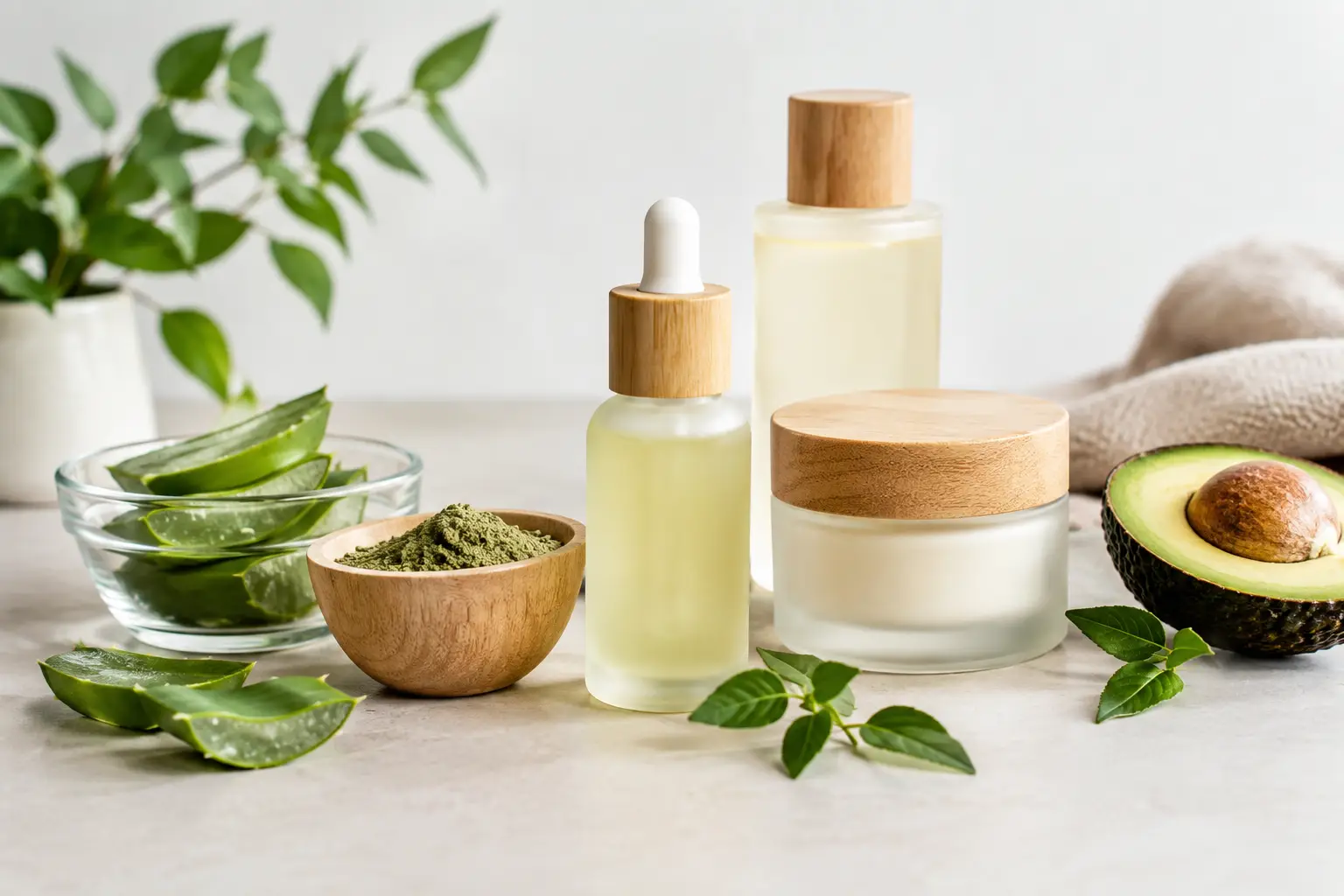
A long ingredient list can make a bottle look impressive, but for dry, sensitive, or easily irritated skin, more is not always better. The clean skincare ingredient trends worth paying attention to are less about chasing the newest botanical and more about choosing thoughtful, familiar ingredients that help skin feel comfortable, moisturized, and cared for.
For families who read labels, the goal is simple: know what you are putting on your skin, understand why it is there, and choose products that fit your skin’s real needs. That can look different for a child with dry patches, a nurse washing their hands all day, or an adult trying to simplify a crowded bathroom shelf.
Clean skincare ingredient trends are getting simpler
For years, skincare marketing often treated a long list of exotic ingredients as a sign of quality. Now, many shoppers are asking a better question: does this formula actually serve a purpose?
One of the strongest clean skincare ingredient trends is the return to shorter, more intentional formulas. This does not mean every ingredient with a complicated name is harmful. Some names simply describe the scientific name of a plant-derived ingredient or a necessary stabilizer. It does mean that a product should not rely on unnecessary fillers, harsh cleansing agents, or heavy fragrance to feel effective.
Simple formulations can be especially helpful for sensitive skin because they make it easier to identify what works for you. When you introduce a new product, pay attention to how your skin feels after a few uses. Does it feel soft and calm, or tight, itchy, and uncomfortable? Your own skin is often the most useful guide.
“Clean” is a starting point, not a guarantee
The word “clean” is widely used in personal care, but it does not have one universal legal definition. A clean product from one company may follow different standards than a clean product from another. That is why clear ingredient information matters more than a front-label promise alone.
Look beyond the buzzwords. A trustworthy product should be straightforward about what it contains and why. If you have a known allergy, eczema, or a history of reactions, bring the ingredient list to your dermatologist or allergist and patch test when appropriate. Even gentle, nature-derived ingredients can be a poor match for one person’s skin.
Moisture-supporting ingredients are taking center stage
The most useful trend is not flashy at all: skincare that supports the skin barrier. Your skin barrier is the outer layer that helps hold moisture in and keeps everyday irritants from bothering your skin as easily. When it is stressed by dry weather, frequent washing, hot showers, or strong products, skin can feel rough, tight, flaky, or sensitive.
People are looking for products that cleanse without leaving that stripped feeling, then follow with moisture that feels nourishing rather than greasy. This is where rich, skin-loving ingredients have earned their staying power.
Goat milk is a natural fit in this conversation. It has been used in traditional soapmaking for generations because it creates a creamy, gentle bar and adds a comforting feel to a daily routine. For those with dry or sensitive skin, a well-made goat milk soap can be a welcome alternative to harsh cleansing products that leave hands and body feeling squeaky clean in the worst way.
At The Goats Field, goat milk is crafted into small-batch personal care made with the everyday needs of families in mind. The point is not to make skincare complicated. It is to make a shower, handwashing routine, or bedtime bath feel softer on skin that needs a little extra care.
Oils and butters still matter, with a practical approach
Plant oils and butters remain popular because they can help soften skin and reduce the dry, rough feeling that shows up on hands, elbows, feet, and legs. Ingredients such as olive oil, coconut oil, shea butter, and cocoa butter are familiar for a reason. They can bring comfort and richness to soap and body care formulas.
Still, the best choice depends on where and how you use it. A very rich balm may be wonderful for cracked heels or dry hands, but feel too heavy on a face that is prone to breakouts. Coconut-derived ingredients may work beautifully for one person and not another. “Natural” is helpful information, but it is not a promise that every ingredient will suit every skin type.
Fragrance is becoming a more thoughtful choice
Many shoppers are moving away from strong, lingering synthetic fragrance, especially when shopping for children or people with sensitive skin. That shift makes sense. Fragrance can be one of the harder things to navigate when your skin is reactive, and an overpowering scent can turn a relaxing routine into an uncomfortable one.
At the same time, fragrance-free is not the only gentle option. Essential oils can provide a light, natural aroma when used thoughtfully in a formula. But essential oils are concentrated plant materials, not automatically mild ingredients. Lavender, peppermint, citrus, and other oils may be loved by many people, yet still cause irritation for some.
If your skin is highly sensitive, choose unscented products when possible or test a scented product on a small area first. Keep strongly scented products away from broken skin and delicate areas. For babies and young children, simpler is generally the wiser path.
Solid bars are growing for good reasons
Shampoo bars, lotion bars, and traditional soap bars are part of another meaningful shift: shoppers want less packaging and products that travel well. A solid bar can be practical for a gym bag, a weekend trip, or a small guest bathroom. It also eliminates the worry of a leaky bottle in your suitcase.
But solid does not automatically mean gentle, and liquid does not automatically mean wasteful. The formula still matters. A shampoo bar should leave hair and scalp feeling clean without making them feel dry or waxy. A body bar should rinse clean while helping skin feel comfortable afterward.
When trying a new bar, give yourself a fair test. Hair may need time to adjust to a different cleansing routine, particularly if you are switching from products that leave behind heavy conditioning agents. Store bars where they can dry between uses, too. A simple soap saver can help a handcrafted bar last longer and stay pleasant to use.
Sun care is becoming part of the clean conversation
Families are also paying closer attention to sunscreen ingredients, and that is a good thing. Sun protection should be an everyday skin-care decision, not an afterthought reserved for beach days.
There is no single best sunscreen for every person. Mineral formulas, often made with zinc oxide or titanium dioxide, are popular with shoppers who prefer a physical UV filter and want options that may suit sensitive skin. Some people love the protection and peace of mind but find certain formulas leave a white cast or feel thicker than they prefer. Others may prefer a lightweight formula they know they will apply generously and reapply.
The sunscreen that protects you is the one you can use correctly and consistently. Choose a broad-spectrum product you enjoy wearing, apply enough, and reapply as directed, especially after swimming, sweating, or towel drying.
How to shop without getting overwhelmed
You do not need to replace every product in your home because a new ingredient is trending. Start with the products you use most often: hand soap, body soap, lotion, shampoo, and sunscreen. Those are the items your skin meets again and again.
Read the full ingredient list, not just the claims on the front. Consider your own needs, including dryness, fragrance sensitivity, acne-prone areas, allergies, and how often you wash. If a product works well and your skin feels comfortable, there is no prize for replacing it with something more fashionable.
For sensitive skin, change one product at a time. That small step can save you from guessing which new item caused a reaction. Keep the routine gentle, moisturize after bathing while skin is still slightly damp, and choose products made with care rather than products designed to create the biggest splash.
The best skincare trend is a routine that helps your family feel comfortable in their own skin. A few honest ingredients, a little consistency, and products that feel good to use can be more valuable than any crowded shelf of promises.