
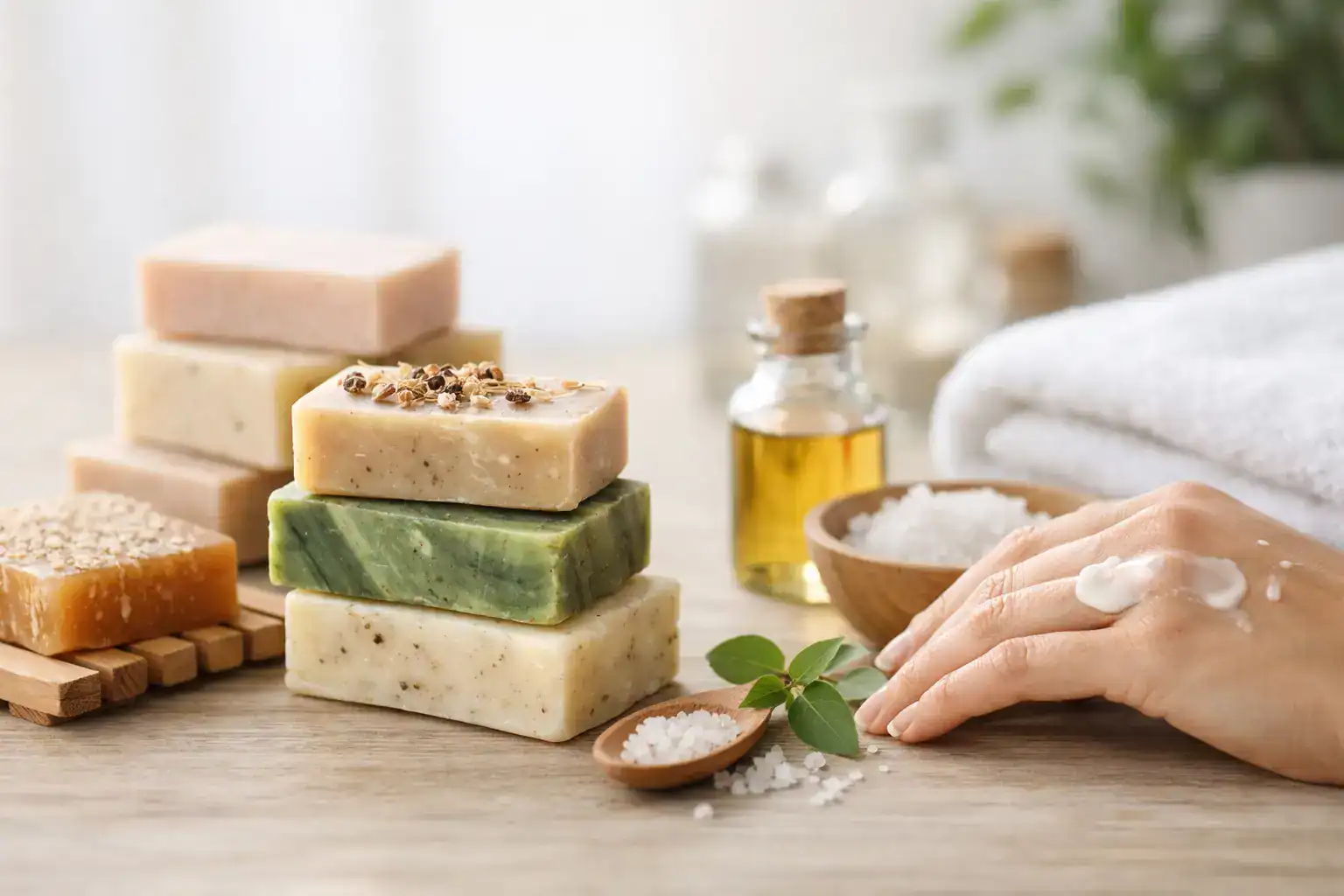
A bar of soap can look beautiful, smell wonderful, and still leave your hands feeling tight five minutes later. That is why the real question is not simply, are handmade soaps better for skin, but what is in the bar, how it was made, and how your own skin responds to it.
For people dealing with dry patches, easily irritated skin, or the everyday sting of harsh cleansers, a thoughtfully made handmade soap can be a kinder choice. But “handmade” is not a guarantee on its own. The ingredients and the maker’s care are what turn a simple bar into something your skin may truly enjoy.
Are handmade soaps better for skin?
Often, they can be, especially when they are made with a short, skin-friendly ingredient list and allowed to cure properly. Handmade soap makers usually have more control over the oils, butters, milk, fragrance, and extra ingredients that go into each batch. That makes it easier to choose a bar designed for a particular need, whether that is gentle daily cleansing, extra moisture, or a light natural scent.
Many mass-produced soaps are made for speed, uniformity, long shelf life, and a strong lather. Those goals are not automatically bad, but they can lead to formulas with stronger detergents, heavy fragrance, or ingredients that do not suit sensitive skin. A handmade bar may offer a simpler alternative, with recognizable oils and a more personal approach to formulation.
Still, a handmade soap can be too strongly scented or made with ingredients that do not agree with you. Sensitive skin is personal. The best bar is not the fanciest one on the shelf. It is the one that cleans comfortably and leaves your skin feeling calm rather than stripped.
Why ingredient choices make such a difference
Soap works by lifting oil, dirt, and everyday grime from the skin so they can rinse away. The problem comes when cleansing feels like it takes everything with it, including the natural oils that help your skin feel soft and protected.
A well-made handmade soap often starts with nourishing plant oils such as olive, coconut, sunflower, or shea-based ingredients. Each oil brings something different to the finished bar. Coconut oil can contribute cleansing power and bubbles, while olive oil is known for a gentler, creamier feel. But balance matters. A bar high in cleansing oils may feel drying for some people, while a formula with more conditioning oils can feel more comfortable on dry skin.
Handmade makers can also include ingredients chosen for skin feel, not just appearance. Oatmeal, honey, calendula, and clay are common examples. These additions do not make every bar right for every person, but they can provide a softer texture or a more soothing washing experience when used thoughtfully.
The other benefit is transparency. When you can read and understand a soap’s ingredients, it is easier to avoid known triggers. If fragrance has caused irritation in the past, choose an unscented bar or one scented lightly with essential oils that you know your skin tolerates. Natural does not always mean non-irritating, especially for people with allergies or highly reactive skin.
Goat milk adds a naturally creamy touch
Goat milk soap is especially loved by people whose skin tends to feel dry, tight, or uncomfortable after washing. Fresh goat milk gives a bar a rich, creamy lather and contributes natural fats that can make cleansing feel less harsh than an ordinary, drying bar.
Goat milk also contains naturally occurring sugars and fats that help create that silky, comforting wash. For families looking for a simple everyday soap, this can be a welcome difference. A good goat milk bar should leave skin feeling clean and soft, not coated, greasy, or perfumed beyond recognition.
At The Goats Field, goat milk is crafted by hand into small-batch skincare because gentle, moisturizing care should feel uncomplicated. A bar made with pure goat milk and carefully selected ingredients can fit beautifully into a routine for hands, body, and frequent washing.
Freshness and small-batch care matter too
Handmade soap is not rushed from a factory line. Traditional cold-process bars need time to cure. During curing, excess water evaporates and the bar becomes harder, longer-lasting, and milder to use. This patient process is one reason a quality handmade bar can feel so different in the shower or at the sink.
Small-batch production also allows makers to pay closer attention to details. They can adjust a formula when an ingredient is no longer available, choose high-quality oils, and avoid adding extras simply because they make a bar look more marketable. That does not mean every small-batch bar is automatically superior. It means there is room for care, and a good maker uses that room well.
Look for a brand that explains what is in its soap and why. Plainspoken ingredient information is a good sign. You should not have to guess whether a bar contains added fragrance, colorants, or an ingredient you prefer to avoid.
When handmade soap may not be the best choice
There are a few times when you may need something other than a traditional soap bar. If you have a diagnosed skin condition, frequent cracking, open areas, or a persistent rash, a dermatologist can help you identify what your skin needs. Soap may be part of your routine, but it is not a treatment for every skin concern.
People with very sensitive skin may also do better with a simple, unscented formula. Essential oils are beloved for their natural aroma, but even gentle oils can bother some skin types. Patch testing a new product is a smart habit: use a little on a small area first, then wait to see how your skin feels.
Hard water can change the experience too. It may make any soap feel less creamy or leave skin feeling less comfortable after rinsing. In that case, using warm rather than hot water, keeping showers shorter, and applying a nourishing lotion after bathing can make a noticeable difference.
How to choose a handmade soap for your skin
Start by thinking about how your skin feels after washing. If it is dry or tight, choose a moisturizing bar with goat milk, gentle oils, and little to no added fragrance. If your skin is normal and you enjoy a fresh scent, a lightly scented essential-oil bar may be a lovely daily option.
Avoid choosing by fragrance alone. A strong smell can be appealing in the moment, but it is not always what sensitive skin wants. Read the ingredient list, especially if you are shopping for a child, an older family member, or someone who has had trouble with products in the past.
It also helps to keep your bar dry between uses. A soap saver or draining dish lets air move around the bar, helping it last longer and stay firm. This simple step makes handmade soap more practical and reduces waste.
A gentler routine starts with paying attention
The best skincare routine is often built from small choices: a cleanser that does not leave you uncomfortable, water that is not too hot, and a lotion applied while skin is still slightly damp. Handmade soap can be one of those small choices, bringing a more personal, ingredient-conscious approach to something your family uses every day.
If your skin feels soft, clean, and settled after washing, you have found a good sign. Choose the bar that respects your skin, use it consistently, and let comfort be the measure that matters most.