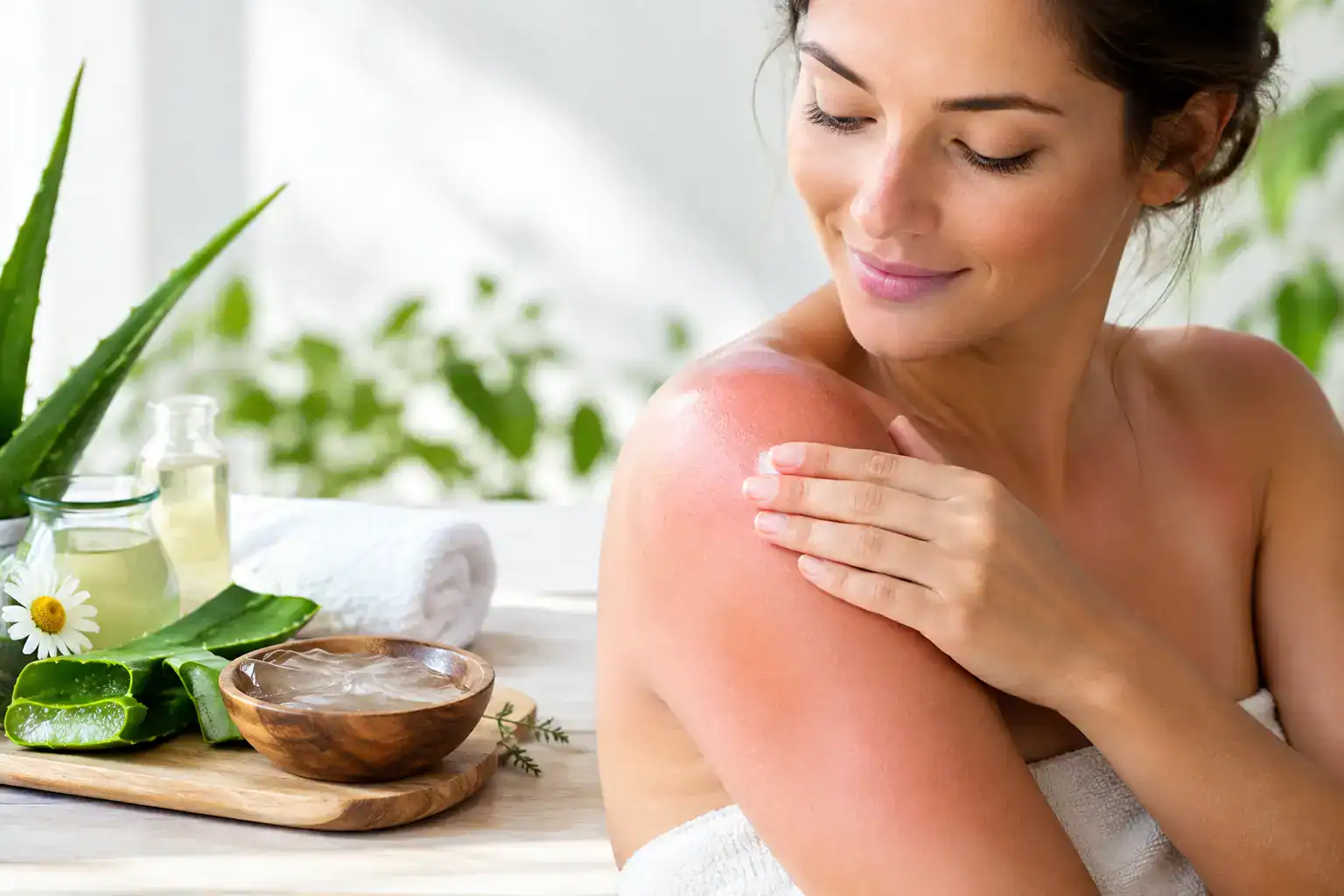
A sunburn can make even a soft cotton shirt feel scratchy. When skin is hot, tight, red, and tender, the goal is not to pile on every remedy in the cabinet. Knowing how to soothe sunburn naturally starts with simple, gentle care that cools the skin, supports its moisture barrier, and gives your body time to recover.
Sunburn is a real skin injury caused by too much ultraviolet exposure, so natural care is about comfort and protection, not a quick fix. A mild burn may settle over several days. A deeper burn can need medical attention, especially for children, older adults, and anyone with a large area of affected skin.
How to Soothe Sunburn Naturally in the First 24 Hours
The first few hours after a burn are a good time to slow down. Get out of the sun right away and cover up with loose, breathable clothing if you need to be outdoors. Your skin has had enough heat and irritation for one day.
Start with cool water, not icy water
Take a cool shower or bath, or place a clean washcloth dampened with cool water over the tender area. Keep the water comfortably cool rather than cold enough to make you shiver. Ice, ice packs, and very cold water can be too harsh on already stressed skin.
Let the water run gently over the burn. Do not scrub with a washcloth, exfoliating mitt, or body brush. Afterward, pat your skin dry with a soft towel. Leaving a little water on the skin before applying moisturizer can help hold in hydration.
Drink more water than usual
A sunburn can leave you feeling drained because your body shifts fluid toward the damaged skin. Sip water throughout the day, and add a hydrating snack such as watermelon, cucumber, berries, or oranges if that sounds appealing. If you have been sweating heavily, a drink with electrolytes may be useful too.
This is a small step, but it matters. Skin recovers better when the rest of you is cared for as well.
Calm Tender Skin With Simple Moisture
After cooling the skin, apply a gentle moisturizer while it is still slightly damp. Look for a simple formula without harsh alcohols, strong fragrance, or ingredients that create a tingly sensation. Burned skin does not need stimulation. It needs comfort.
Pure aloe vera gel can feel especially soothing for many people. Choose a product with aloe high on the ingredient list and as few added ingredients as possible. If you use a fresh aloe leaf, use only the clear inner gel. The yellowish sap just beneath the leaf’s skin can irritate some people.
For dry, tight skin, a plain, fragrance-free cream or lotion can help reduce that uncomfortable pulling feeling. Moisturizer is best applied in thin layers and reapplied as needed. If a product stings, stop using it, rinse gently with cool water, and return to something simpler.
Natural does not always mean gentle for injured skin. Essential oils, citrus extracts, peppermint, eucalyptus, and heavily scented botanical blends can be lovely in everyday body care, but they may sting a fresh burn. Save them for another day. The same goes for trying a new product for the first time. Sensitive, sunburned skin is not the place to experiment.
A note on goat milk skincare
Goat milk is valued for its naturally creamy, moisturizing feel, which is why so many families reach for it when ordinary dry skin needs gentle care. But a fresh sunburn is different from everyday dryness. Wait until the heat and sharp tenderness have eased before returning to your usual goat milk soap or lotion, and choose the mildest option your skin tolerates comfortably.
Natural Sunburn Remedies to Skip
Some old-fashioned sunburn advice sounds comforting but can make things worse. Butter, cooking oils, and thick greasy ointments may trap heat against the skin, especially soon after the burn. They are better left in the kitchen.
Avoid these common irritants while your skin heals:
- Hot showers, saunas, heating pads, and long baths in warm water
- Scrubs, loofahs, exfoliating acids, retinoids, and rough towels
- Perfumed lotions, aftershaves, and products with strong essential oils
- Numbing sprays or creams with ingredients that can cause irritation or allergic reactions
It is also wise to skip tight waistbands, snug straps, and scratchy fabrics. Loose cotton, linen, or another soft breathable material can make a surprising difference when every movement feels uncomfortable.
Let Peeling Skin Come Off on Its Own
Peeling often begins a few days after a sunburn. It can be tempting to rub away the loose skin, but picking and peeling can pull at healthy skin underneath. That can make the area feel raw and may raise the risk of infection.
Keep moisturizing, take short cool showers, and let the skin shed naturally. If an area is itching, a cool damp cloth can be more comforting than scratching. Trim fingernails short, especially for children, to help prevent accidental skin damage during sleep.
Do not pop blisters. Blisters are your body’s protective covering over injured skin. Keep them clean, dry, and protected from rubbing. If one breaks on its own, gently wash the area with mild soap and water, cover it with a nonstick dressing, and watch for increasing redness, warmth, swelling, or drainage.
Rest, Shade, and a Little Patience
Sunburned skin needs a break from more sun. Stay in the shade as much as possible until the burn settles, and cover the area with lightweight clothing when you go outside. A burn can make your skin more vulnerable to another round of damage, even if it is cloudy.
Rest can help too. Your body is managing inflammation and repair, which is one reason a bad sunburn can leave you tired or achy. Keep your plans simple if you can. Cool meals, extra fluids, soft pajamas, and a clean set of sheets can make the evening much more comfortable.
If pain is keeping you from resting, ask a healthcare professional or pharmacist about appropriate options for you. Natural comfort measures are helpful, but there is no prize for suffering through significant pain.
When a Sunburn Needs Medical Care
Home care is appropriate for many mild sunburns, but some burns need more than aloe and a cool shower. Seek medical advice promptly if you have widespread blistering, severe swelling, intense pain, fever, chills, nausea, dizziness, confusion, fainting, or signs of dehydration such as very dark urine or trouble urinating.
Get medical care for a burn affecting a baby or young child, or for burns on the face, hands, feet, genitals, or a large portion of the body. Also call a clinician if redness spreads, pain worsens after a few days, or you see pus, red streaks, or other signs of infection.
Help Prevent the Next Burn
Once your skin is comfortable again, prevention becomes the kindest form of care. Use a broad-spectrum sunscreen with an SPF of 30 or higher, apply enough to cover exposed skin, and reapply as directed on the label, especially after swimming or sweating. A wide-brimmed hat, sunglasses, shade, and lightweight long sleeves are just as useful as sunscreen, particularly between late morning and midafternoon.
The best natural sunburn care is gentle because healing skin is asking for less, not more. Cool it, moisturize it, protect it, and give it the quiet time it needs. Your skin works hard for your family every day. A little patient care is a good way to return the favor.