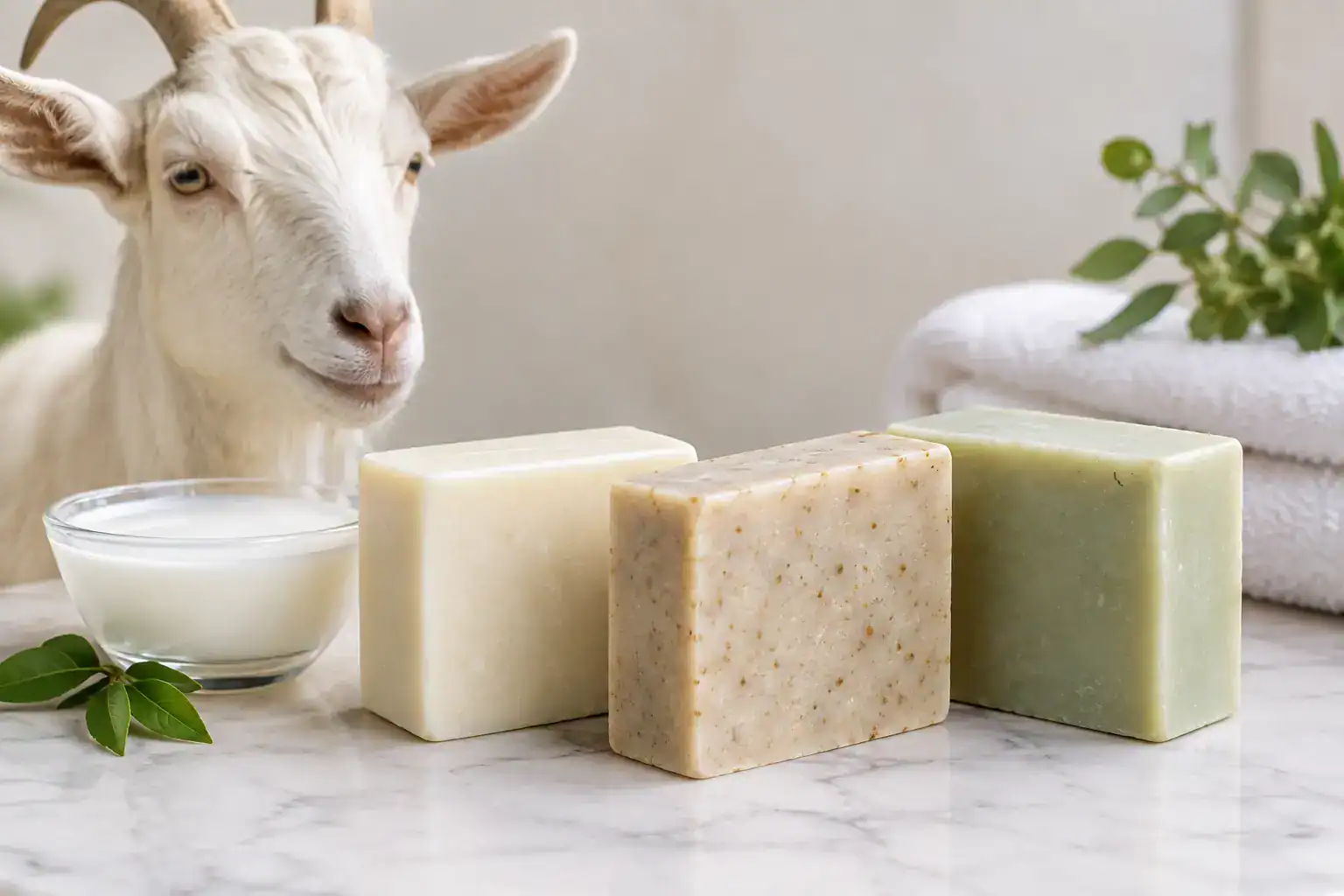
A good goat soap comparison starts at the sink, not with a pretty label. If your hands feel tight after washing, your child’s skin gets fussy after bath time, or you are tired of buying soap that smells lovely but leaves skin dry, the details in the bar matter. Goat milk soap can be a comforting everyday choice, but not every bar made with goat milk is made the same way.
For families with dry, sensitive, or easily irritated skin, the best soap is usually the one that cleans without asking your skin to recover afterward. That means looking beyond fragrance and packaging to the ingredients, the type of oils used, and whether the formula fits the person using it.
Goat Soap Comparison: What Actually Matters
Goat milk is valued in soap because it brings a naturally creamy feel to the finished bar. It contains fats and naturally occurring sugars that can help a well-made soap feel gentler and more nourishing during use. That is especially welcome when skin already feels dry from cold weather, frequent handwashing, long showers, or everyday stress.
Still, goat milk alone does not make a bar gentle. Soap is made by combining oils or fats with an alkali, and the quality of the finished bar depends on the whole recipe. The other oils, the amount of fragrance, the cure time, and any added exfoliants can change how a bar feels on your skin.
A handmade goat milk bar may also have a shorter, easier-to-understand ingredient list than many mass-market body bars. That does not mean every natural ingredient works for every person. Sensitive skin is personal. A simple, unscented bar may be the wisest place to start, even if you usually enjoy a beautiful essential-oil scent.
Goat milk soap versus regular commercial soap
Many commercial cleansing bars are designed for consistency, high fragrance, bold color, and a strong lather. Some do a fine job for skin that is not prone to dryness. But if your skin feels stripped after bathing, a heavily fragranced or detergent-based bar can make that routine less comfortable.
A thoughtfully made goat milk soap often feels creamier and leaves less of that squeaky-clean feeling behind. Squeaky is not always a sign of clean skin. It can be a sign that too much of your skin’s natural comfort has been washed away.
The trade-off is that a natural goat milk bar needs a little care. It lasts longer when it can dry between uses. Keep it on a well-draining soap saver instead of letting it sit in a puddle, and you will get more use from every bar.
Goat milk soap versus glycerin soap
Glycerin soaps can be clear, colorful, and easy to find. Glycerin itself is a skin-loving ingredient that draws moisture toward the skin. The question is not whether glycerin is good, but what else is in the bar.
Some glycerin bars contain added fragrance, dyes, or a longer list of ingredients that may not suit someone who is highly sensitive. Others are wonderfully simple. Read the label rather than judging by the clear appearance of the soap.
Goat milk soap has a more opaque, creamy character because of the milk and oils used in the recipe. If you prefer a rich bar for hands and body, especially in dry seasons, goat milk may feel more substantial. If you want a clear, light-feeling bar, glycerin soap may be your preference. Neither is automatically better for every household.
Goat milk soap versus exfoliating soap
Exfoliating bars can feel satisfying on rough elbows, feet, or hardworking hands. Ingredients such as oats, coffee, seeds, salt, or ground botanicals add texture that helps lift away dry surface skin. But daily scrubbing can be too much for delicate areas.
For a face, a child, mature skin, or skin that is already itchy and dry, a smooth goat milk soap is often the kinder choice. Save exfoliating bars for the spots that truly need them, and use a light touch. More scrub does not always mean softer skin.
How to Compare Goat Milk Soap Ingredients
When you are choosing a bar, begin with the ingredient list. You do not need a chemistry degree to make a good decision. Look for ingredients you recognize and a formula that makes sense for your needs.
Plant oils such as olive, coconut, sunflower, or castor oil each play a different role in a soap recipe. Olive oil is often chosen for a gentle, conditioning feel. Coconut oil contributes cleansing power and lather, though a formula with too much can feel drying for some people. Castor oil is commonly used in smaller amounts to support a bubbly lather. Balanced recipes matter more than one fashionable ingredient.
Then consider scent. Essential oils are plant-derived, and many people love their clean, familiar aroma. Lavender, peppermint, citrus, and eucalyptus can make a bath feel special. Yet natural does not mean irritation-free. If you have known fragrance sensitivities, reactive skin, or you are buying for a young child, choose unscented first or patch test a scented bar on a small area.
Color and texture deserve the same common sense. A plain cream-colored bar is not less effective because it is simple. In fact, when skin is acting up, fewer extras can be a relief. Herbs, clays, and botanicals may be lovely additions, but they should serve a purpose beyond making the bar look interesting.
At The Goats Field, our approach begins with pure goat milk from farm-raised goats and small-batch care, because families deserve to know what they are bringing into their daily routines.
Choose the Right Bar for the Person Using It
The best goat soap is not necessarily the strongest-smelling bar or the one with the most add-ins. It is the bar that fits the skin in front of you.
For dry, sensitive skin, start with a mild, unscented goat milk soap. Use lukewarm water rather than hot water, pat skin dry instead of rubbing, and follow with a moisturizing lotion while skin is still slightly damp. This simple routine can make a bigger difference than constantly switching products.
For normal skin, a lightly scented goat milk bar can offer a pleasant everyday wash without making bath time complicated. If you enjoy essential oils and have no history of sensitivity, scent can be part of the experience. Just pay attention to your skin over time. A bar that felt fine in humid summer weather may feel different in a dry winter home.
For hands that are washed all day, choose a creamy bar and give it time to dry on a soap saver. Healthcare workers, parents, gardeners, cooks, and anyone who washes frequently often appreciate a bar that cleans thoroughly without leaving hands feeling papery. Keep a lotion nearby, too. Soap and moisturizer work better as partners than as substitutes.
For acne-prone or problem-prone skin, keep expectations realistic. A gentle soap may support a calmer cleansing routine, but it is not a cure for every skin concern. Avoid harsh scrubbing and strong fragrance if they make your skin feel worse. If persistent irritation, cracking, rash, or discomfort continues, a dermatologist can help you identify what your skin needs.
A Few Signs You Have Found a Good Goat Milk Bar
A good bar should feel pleasant from the first wash through the last small piece. It should rinse cleanly, leave skin comfortable, and hold together reasonably well when stored dry. It does not have to produce giant bubbles to do its job well.
Pay attention to what happens after you towel off. Comfortable skin is the goal. If you immediately feel the need to scratch, reach for lotion because your skin feels tight, or notice redness after using a particular bar, that soap may not be the right match. Set it aside and return to a simpler formula.
Many families find that once they settle on a gentle goat milk soap, they stop chasing every new product on the shelf. There is comfort in a dependable bar at the bathroom sink, in the shower, and in a travel bag. The right one turns a small daily task into a kinder moment for your skin.
Start simple, listen to your skin, and let comfort be the measure. The most beautiful bar is the one your family can use every day with confidence.