
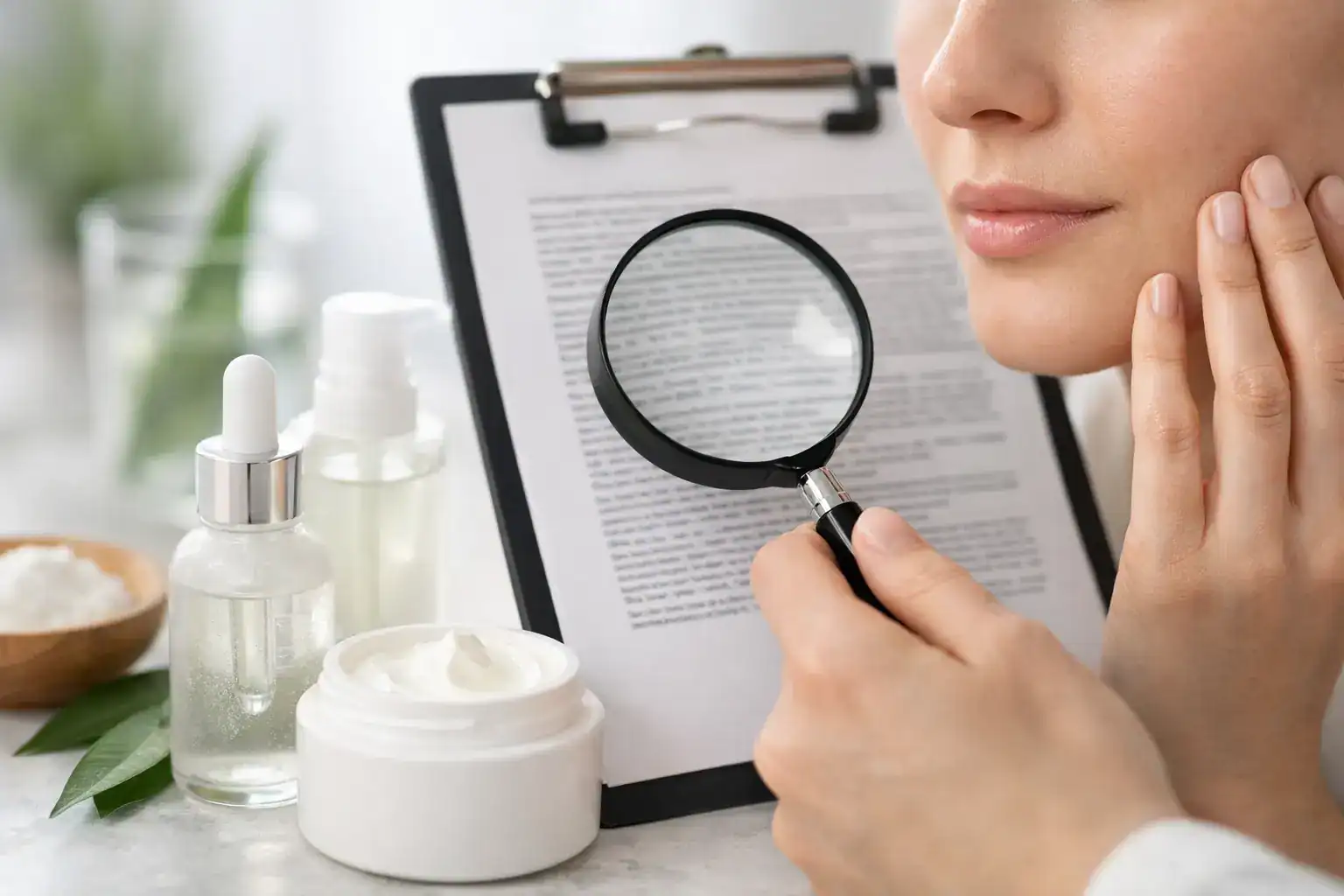
You pick up a soap or lotion because the front says gentle, clean, or made for delicate skin – then you turn it over and find a long ingredient list that feels more confusing than reassuring. A good sensitive skin ingredient label guide can save you from that guesswork. When your skin is dry, reactive, eczema-prone, or simply easy to upset, the label matters far more than the marketing on the front.
For many families, the hardest part is not finding products that promise comfort. It is figuring out which ones are actually likely to feel calm and moisturizing once they touch the skin. Ingredient labels do not tell you everything, but they do tell you a lot if you know what to look for.
How to read a sensitive skin ingredient label guide
Start with the first five to seven ingredients. In most personal care products, those make up the largest portion of the formula. If a product is meant to moisturize and protect sensitive skin, those top ingredients should usually support that goal rather than fight against it.
In a lotion, you might hope to see skin-friendly moisturizers and emollients near the top, such as water, gentle oils, butters, glycerin, or milk-based ingredients. In a cleansing bar, the ingredient list may look different because soap is made through a chemical process, but you can still get a sense of whether the formula leans simple and nourishing or harsh and heavily perfumed.
The order matters, but context matters too. A small amount of an essential oil near the end of the list is different from heavy fragrance sitting high up. The same is true for preservatives. Sensitive skin often does better with shorter, plainer ingredient lists, but short does not automatically mean safer. A product still needs to be stable, fresh, and made with care.
Ingredients that often work well for sensitive skin
The best formulas for sensitive skin usually focus on moisture, barrier support, and a lower chance of irritation. That often means ingredients that help the skin hold water and stay soft rather than ingredients meant to strip, tingle, or aggressively exfoliate.
Goat milk is a good example of an ingredient many people with dry or problem-prone skin appreciate. It is naturally rich in fats and has a creamy, comforting feel that can help skin feel less tight after washing. For families looking for simple skincare, that kind of moisture support can make a real everyday difference.
Glycerin is another ingredient worth noticing. It pulls moisture toward the skin, which can help with that rough, thirsty feeling many sensitive skin customers know too well. Oils and butters such as olive oil, coconut oil, shea butter, or cocoa butter can also be helpful, although the right fit depends on the product type and the person using it.
Oatmeal, aloe vera, honey, and calendula are also common in gentle skincare. These ingredients often show up in products made for dry or easily irritated skin because they are associated with soothing care. That said, natural ingredients are not one-size-fits-all. Even a gentle botanical can bother someone who is personally sensitive to it.
Ingredients that can be trouble for reactive skin
This is where any sensitive skin ingredient label guide becomes practical. Some ingredients are not automatically bad, but they are common reasons people react to a product.
Fragrance is one of the biggest. On a label, this may appear as fragrance, parfum, or even as a blend that is not fully broken out. Fragrance can make a product smell lovely, but it is also one of the most common triggers for redness, itching, or stinging. If your skin is highly reactive, unscented or very lightly scented products tend to be a safer place to start.
Essential oils deserve a balanced look. Many people prefer them over synthetic fragrance, and in small amounts they can be part of a thoughtfully made natural product. But they are still aromatic compounds, and some sensitive skin types do not tolerate them well. Tea tree, peppermint, citrus oils, cinnamon, and clove can be especially strong. Lavender or chamomile may feel gentler for some people, but skin responses vary.
Harsh cleansing agents can also be a problem, especially in face washes, body washes, and shampoos. Strong surfactants may leave skin feeling squeaky clean, but that stripped feeling is often a sign that your skin barrier has taken a hit. For someone already dealing with dryness or eczema, that can lead to more irritation instead of less.
Alcohol can be tricky too. Some fatty alcohols, like cetyl alcohol or stearyl alcohol, are often used to soften and stabilize products and are usually well tolerated. Drying alcohols, such as alcohol denat., can be more irritating in leave-on products, especially if they appear high on the list.
Preservatives are another area where it depends. A product without effective preservation can become unsafe, especially if it contains water. Still, some preservatives are more likely to bother certain users than others. If you know you react to a specific preservative, the label helps you avoid repeats.
Words on the front that can mislead you
Natural, hypoallergenic, dermatologist tested, pure, clean, and gentle all sound comforting. Sometimes they reflect a carefully made product. Sometimes they are just packaging language.
Hypoallergenic is not a guarantee that no one will react. Natural does not mean non-irritating. Clean has no single legal definition in skincare. Even products labeled for sensitive skin can contain fragrance or highly active ingredients.
That is why the back label matters more than the front. The front tells you the story. The ingredient panel tells you what is actually inside.
A few label-reading habits that make shopping easier
When you find a product your skin loves, save the ingredient list or take a photo. Over time, patterns show up. You may notice your skin does well with goat milk, glycerin, oatmeal, and simple oils, but flares when fragrance or strong essential oils are involved.
It also helps to compare products by category. A shampoo bar, a lotion, and a facial serum serve different purposes, so their labels will not look the same. Try not to judge every product by one rule. A rinse-off soap may be fine with ingredients that would feel too active in a leave-on cream.
Patch testing is still one of the smartest steps you can take. Even if the ingredient list looks gentle, test a small amount on a less noticeable area first. Sensitive skin can surprise you, especially when it is already stressed by weather, over-washing, or a flare.
Sensitive skin ingredient label guide for families
If you are shopping for yourself, your kids, or a household with mixed skin needs, simplicity usually wins. Products with fewer unnecessary extras often make daily care easier. That does not mean every ingredient must sound familiar, but the formula should make sense for the job it is meant to do.
For example, a family-friendly moisturizing soap should cleanse without leaving skin feeling tight and rough. A lotion for frequent use should absorb well, support soft skin, and avoid ingredients that commonly trigger irritation. This is one reason so many people move away from heavily perfumed mass-market products once skin becomes more reactive. Comfort becomes more important than a dramatic scent or fancy claim.
Brands that make products in smaller batches often pay closer attention to ingredient purpose and skin feel. That does not automatically make every handmade product right for sensitive skin, but it can mean a more thoughtful formula. At The Goats Field, that focus on pure goat milk and straightforward ingredients speaks to what many sensitive skin families want most – moisture, gentleness, and trust.
When ingredient labels are not enough
Sometimes a perfectly reasonable label still leads to a reaction. That can happen because skin is personal. It can also happen because irritation is not always caused by one ingredient alone. The concentration, the combination, how often you use it, and whether your skin barrier is already damaged all matter.
If your skin burns, peels, or stays inflamed no matter how careful you are, it may be time to look beyond product labels and talk with a medical professional. Persistent irritation can come from eczema, rosacea, contact dermatitis, or allergies that need a clearer diagnosis.
Still, learning to read labels puts you in a much stronger position. It helps you ask better questions, avoid repeat mistakes, and choose products with more confidence instead of hope alone.
A calm skincare routine usually starts with fewer surprises. When you learn to read ingredients with a little patience, the label stops feeling like fine print and starts feeling like a tool you can trust.