A morning layer of sunscreen can feel like one more thing checked off before school drop-off, gardening, a long drive, or a day at the lake. But when the sun is still on your skin hours later, that first application is no longer enough. This guide to mineral sunscreen reapplication makes the next step feel simple, even when you are caring for children, managing sensitive skin, or trying not to disturb makeup.
Why Mineral Sunscreen Needs Reapplying
Mineral sunscreen uses active ingredients such as zinc oxide and titanium dioxide to help protect skin from the sun’s ultraviolet rays. These gentle mineral filters are a favorite for many people with dry, reactive, or problem-prone skin because they sit on the skin’s surface and are often available in fragrance-free formulas.
Still, no sunscreen remains evenly applied all day. Sweat, water, rubbing, a shirt collar, a child leaning against you, and a towel after swimming can all remove part of that protective layer. Even on a calm day, normal movement and the natural oils on your skin can make coverage less even over time.
For that reason, the usual guidance is to reapply sunscreen at least every two hours when you are outdoors. Reapply sooner after swimming, sweating heavily, or towel drying, even if the label says the product is water resistant. Water resistance means the formula has been tested to maintain protection for a set amount of time in water or while sweating. It does not mean it lasts all day.
This is especially worth remembering on days that do not feel especially hot. Sun exposure adds up during walks, outdoor sports, patio lunches, driving, running errands, and time near water, sand, or snow. Those surfaces can reflect sunlight back toward the skin.
Guide to Mineral Sunscreen Reapplication: Start With Enough
Good reapplication begins with a good first application. If the first layer is too thin, adding a little more later does not fully make up for missing coverage at the start.
For the face, ears, and neck, most adults need about two finger lengths of sunscreen from the tip to the base of the index and middle finger. It is a practical visual guide, not a rule that has to be measured perfectly. For the body, a full ounce is often used as the benchmark for an adult in swimwear, which is roughly enough to fill a shot glass.
Apply mineral sunscreen to clean, dry skin when possible, and give it a moment to settle before dressing. Be generous around the areas people often miss: the hairline, part line, tops of the ears, eyelids if the product is labeled safe for that use, back of the neck, chest, hands, and tops of the feet.
If your skin is very dry, a simple moisturizer can go underneath. Let it absorb before sunscreen. If a sunscreen pills or rolls into little flakes, the issue may be too many layers of skincare underneath, not the mineral formula itself. Use lighter layers, allow a little time between products, and press sunscreen in gently instead of rubbing hard.
How to Reapply on Bare Skin
When you are outside for a while, the easiest method is often the best: apply a fresh, even layer from your regular mineral sunscreen. If your face is sweaty, blot it first with a clean, soft cloth or tissue. Do not scrub. Friction can leave sensitive skin feeling irritated and can take off more sunscreen.
Then use enough product to cover the face, ears, and neck again. A few small dots across the forehead, cheeks, nose, chin, and neck make it easier to spread evenly. Take special care around the nose and cheekbones, where sunscreen can wear away quickly from sunglasses, sweat, or frequent wiping.
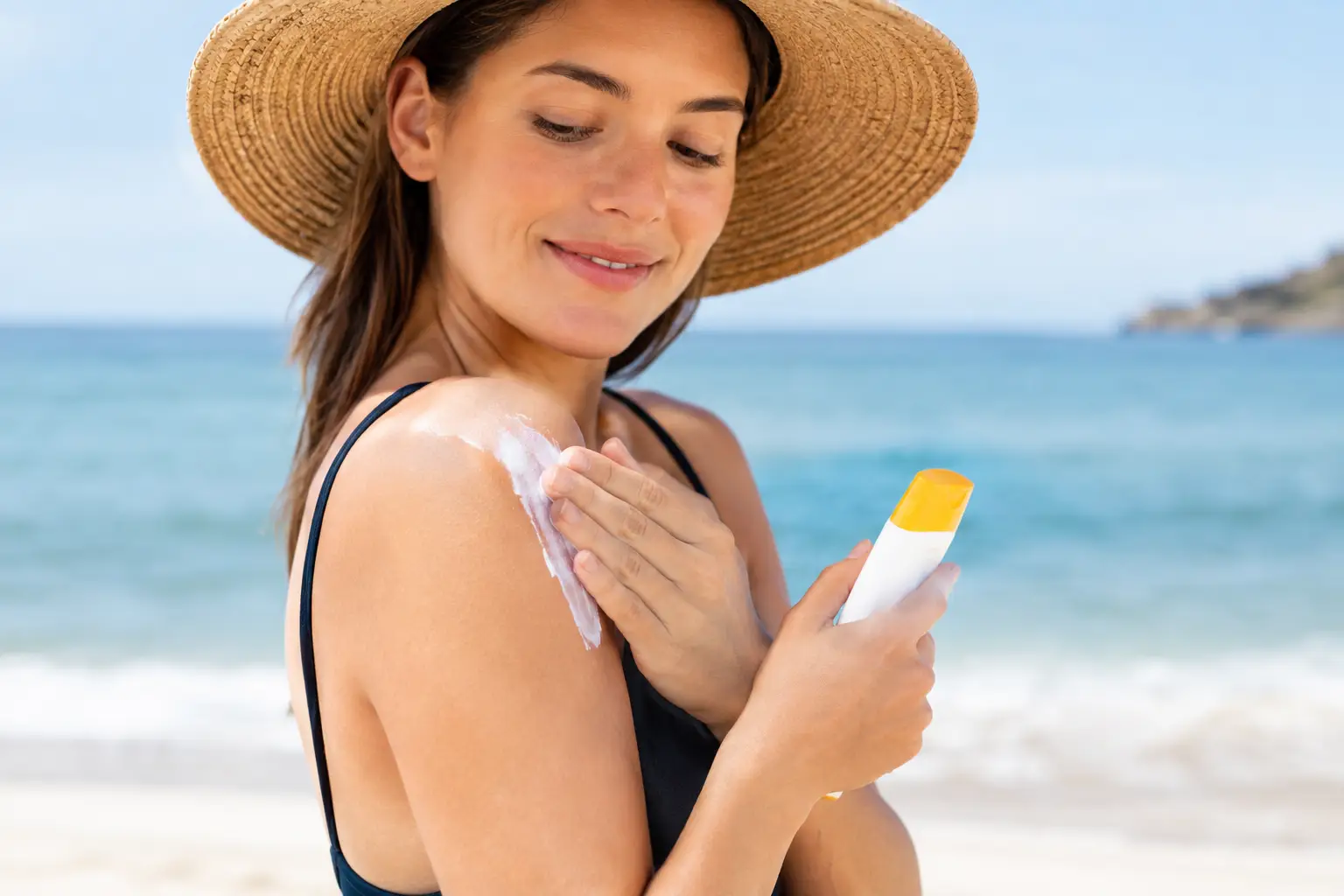
For the body, reapply before you feel hot or see redness. Ask a partner to help with the middle of the back, or use a mirror so that area is not forgotten. Parents may find it easiest to make sunscreen breaks part of the rhythm of the day: after a snack, before returning to the pool, or when everyone takes a water break.
Reapplying Mineral Sunscreen Over Makeup
Makeup makes people hesitant to reapply, but protecting your skin is more valuable than preserving a flawless finish. There is no perfect method for every routine, and the right choice depends on how much sun exposure you have and how much makeup you are wearing.
For long periods outdoors, the most dependable option is still a lotion or cream sunscreen applied in a full layer. Tap it on with clean hands or a makeup sponge, working in thin sections rather than trying to sweep it over the entire face at once. This may soften or move your makeup a little, but it gives more reliable coverage than using only a powder.
Mineral sunscreen sticks can be convenient for the nose, ears, cheekbones, hairline, and touch-ups on the go. Make several passes over each area, then gently blend with clean fingers. A stick is easy to underapply, so do not rely on one quick swipe.
Powder sunscreen can be a pleasant option for reducing shine and can make reapplication feel more manageable over makeup. But it is difficult to apply enough powder to match the coverage of a properly applied lotion or cream. Think of it as a helpful addition for light, incidental exposure, not your only plan for a full afternoon in direct sun.
Sunscreen sprays are another convenient format, but they require care. Avoid spraying near the face or breathing in the mist. Apply in a well-ventilated area, spray generously onto hands first for the face, and rub the product in for even coverage. With children, an adult should handle spray application.
Sensitive Skin: Keep the Routine Gentle
When skin is prone to eczema, dryness, or irritation, sunscreen reapplication can be uncomfortable if the formula stings or the skin has been rubbed raw. Choosing a mineral sunscreen made for sensitive skin may help, especially one with a simple ingredient list and without added fragrance. A patch test on a small area is sensible when trying any new product.
Comfort matters because a sunscreen you can wear and reapply is more useful than one that stays in the cabinet. Some people prefer a creamy mineral sunscreen for dry cheeks and a lighter texture for the body. Others need a tinted mineral formula to reduce the white cast that can come with zinc oxide. Neither preference is wrong. The best choice is the one that gives adequate protection and feels good enough to use generously.
If you are using acne treatments, exfoliating acids, retinoids, or prescription skin medication, your skin may be more sensitive to sun and to product rubbing. Be extra gentle during reapplication, and ask your dermatologist for personal advice if you have an active flare, open skin, or a treatment plan that affects sun sensitivity.
Make Reapplication Easier to Remember
Sunscreen works best when it is part of the plan, not an afterthought. Put a bottle near the door, keep one in the diaper bag or beach tote, and pack it with the first-aid items for outdoor games and family trips. A travel-size option is useful for purses, work bags, and glove compartments, though avoid leaving sunscreen in extreme heat for long periods.
It also helps to use non-sunscreen protection. A wide-brimmed hat, sunglasses with UV protection, lightweight long sleeves, shade breaks, and a little extra caution during the brightest middle hours of the day can reduce how much sun reaches your skin. These habits do not replace sunscreen, but they make a meaningful difference, especially for children and anyone with sensitive skin.
At The Goats Field, we believe everyday skin care should feel gentle enough for the people you love most. A calm, consistent sunscreen routine is part of that care: apply generously, reapply before protection has worn away, and let a few quiet minutes in the shade become part of a good day outside.
The goal is not perfection or fear of the sun. It is giving your skin the steady, practical care it deserves, so family walks, garden afternoons, pool days, and everyday errands can stay comfortable from the first bright hour to the last.